Personal Defense Preparedness: Mindset, Skill, Gear

Personal defense is more than a single action; it is a holistic strategy designed to ensure the safety of yourself and your loved ones against criminal violence. Drawing from the experts at American Handgunner and GUNS Magazine, personal defense is defined as a combination of mindset, skill, and equipment. It is a proactive lifestyle rather than a reactive event.
To be effectively prepared, consider these essential tips and principles rooted in the teachings of these legacy firearms resources.
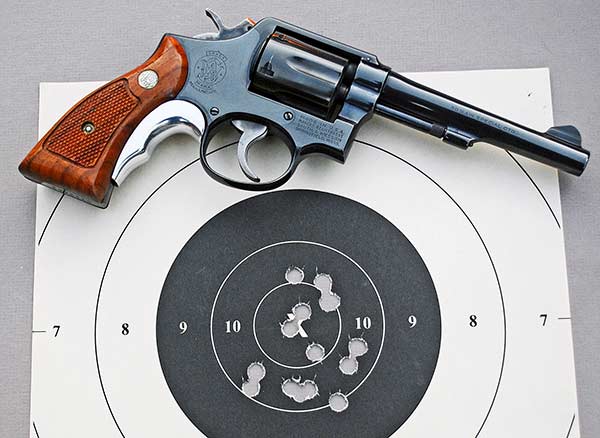
1. Prioritize the "Combat Triad"
A core philosophy often cited in these resources is the Combat Triad: Mindset, Gun Handling, and Marksmanship. * Mindset is the most critical. You must be mentally prepared to recognize a threat and decide to act.
• Gun Handling involves the mechanical ability to operate your tool under stress (reloading, clearing malfunctions).
• Marksmanship is the ability to hit the target accurately. Without the first two, marksmanship is often irrelevant in a crisis.

2. Master Situational Awareness (Cooper’s Color Code)
Preparation begins long before a shot is fired. Jeff Cooper’s Color Code can help you maintain awareness:
• Condition White: Unaware and unprepared (avoid this).
• Condition Yellow: Relaxed alertness; scanning your environment and noticing people.
• Condition Orange: Specific alert; you’ve noticed something potentially wrong and are formulating a plan.
• Condition Red: The “trigger” has been tripped; you are prepared to take defensive action.
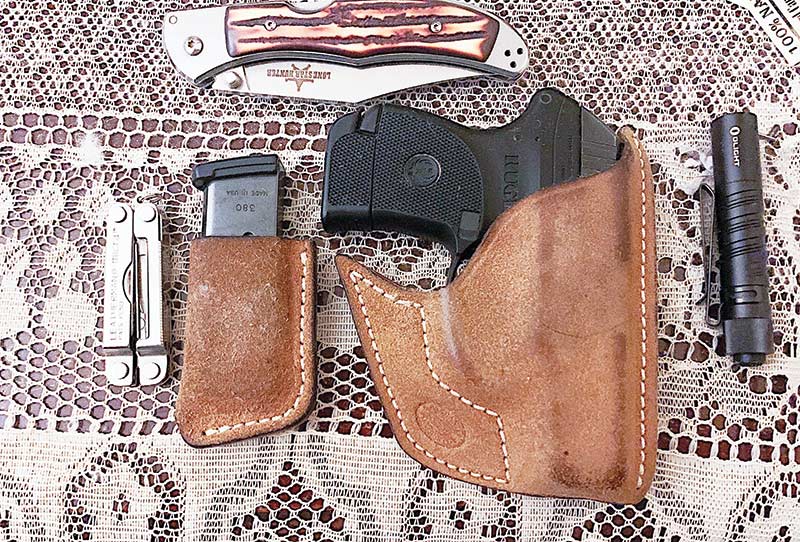
3. Consistency in Everyday Carry (EDC)
The best gun for a fight is the one you actually have on you.
• Choose Reliable Gear: Select a firearm and holster combination that is comfortable enough to wear every day.
• Don’t Forget Support Gear: Personal defense isn’t just about the gun. A high-output tactical flashlight is essential for identifying threats in low light, and a reliable spare magazine ensures you are prepared for mechanical failures or prolonged encounters.
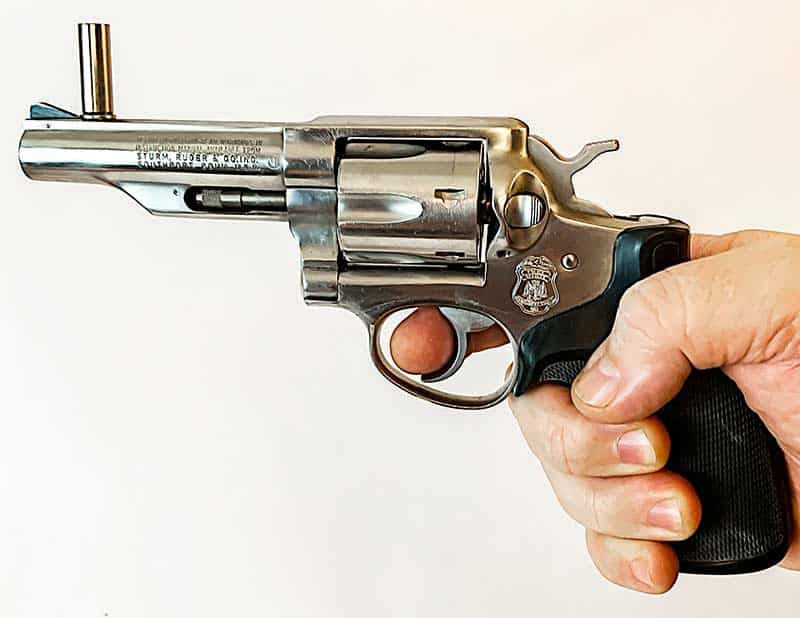
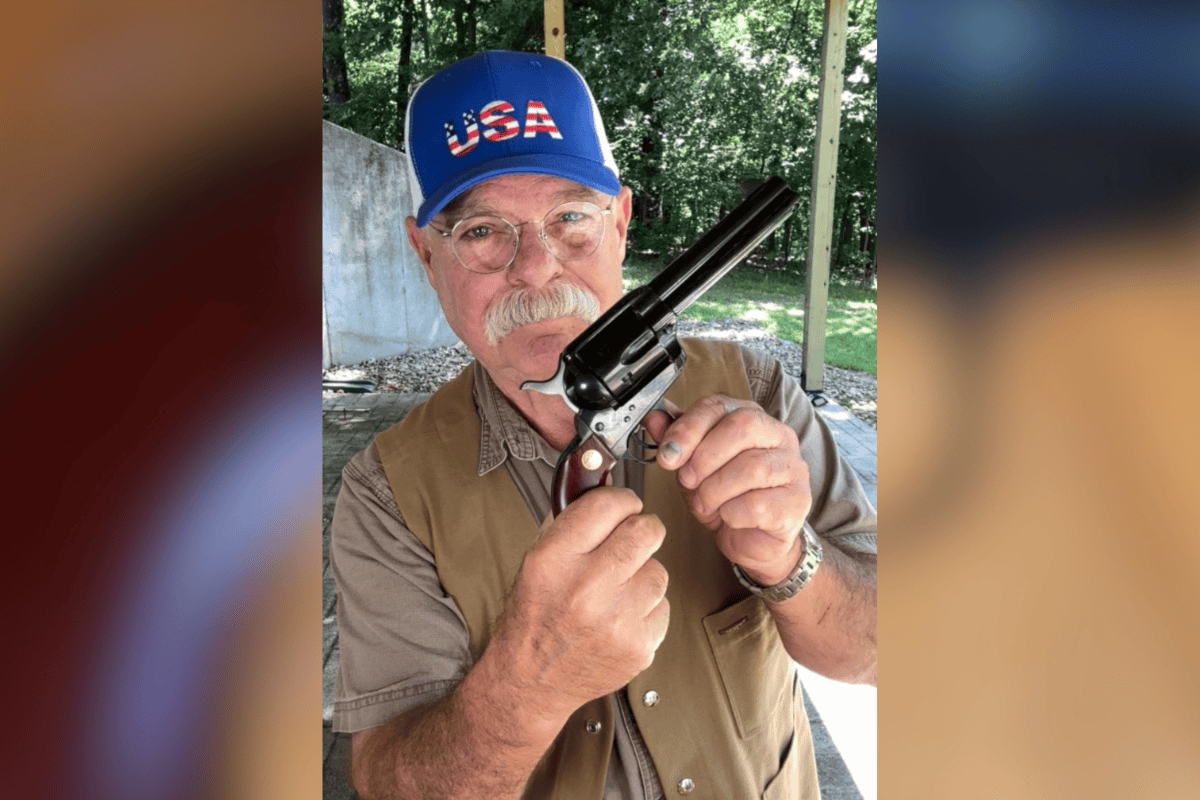
A great way to master the DA trigger pull is dry firing drills such as this one.
See how many times you can press the trigger without the brass falling off.
4. Practice "Dry Fire" Regularly
Ammo can be expensive and range time is limited. Dry-fire practice (practicing with an unloaded firearm in a safe direction) can assist in self-defense preparedness. This builds the muscle memory required for a smooth draw stroke and crisp trigger press without the distraction of recoil. Consistent, five-minute daily sessions are more effective than one long monthly trip to the range.
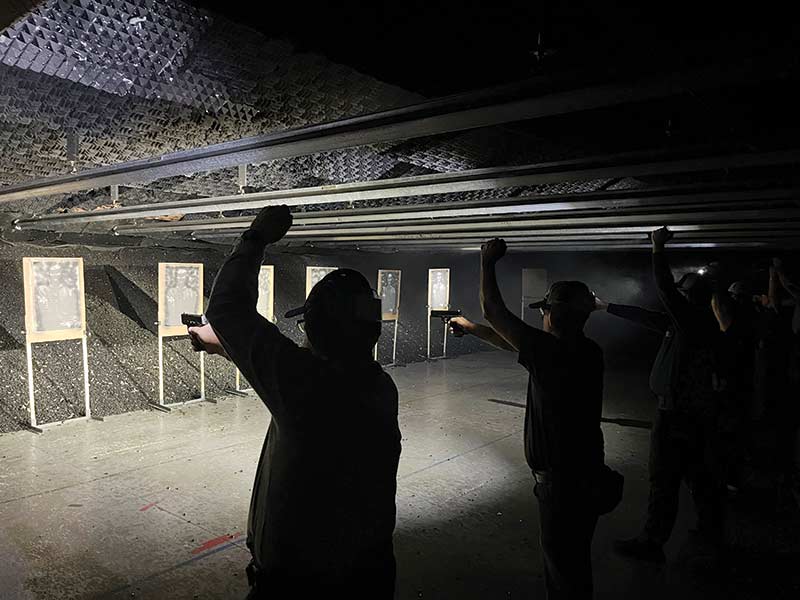
Training should be an ongoing and lifelong process. Good shooters
are constantly taking new classes and training to keep their
fundamentals sharp while gaining new abilities.
5. Seek Professional Training
Owning a piano doesn’t make you a pianist, and owning a gun doesn’t make you a marksman.
• Get Instruction: Seek out reputable schools or instructors who teach “defensive” shooting rather than just “target” shooting.
• Understand the Law: Personal defense preparation includes knowing the legalities of self-defense in your jurisdiction. You must understand the “use of force” continuum to ensure that your actions are both morally and legally justifiable.
6. The "Software" is More Important Than the "Hardware"
Remember, your brain is your primary weapon. De-escalation, avoiding dangerous areas, and maintaining a high level of physical fitness and mental clarity are just as vital to personal defense as the tool you carry on your belt.
By integrating these tips into your daily life, you transform personal defense from a concept into a practical, life-saving habit.
Get more personal defense content every other week!
Sign up to receive the Personal Defense newsletter.
By submitting this form, you are consenting to receive marketing emails from: . You can revoke your consent to receive emails at any time by using the SafeUnsubscribe® link, found at the bottom of every email. Emails are serviced by Constant Contact